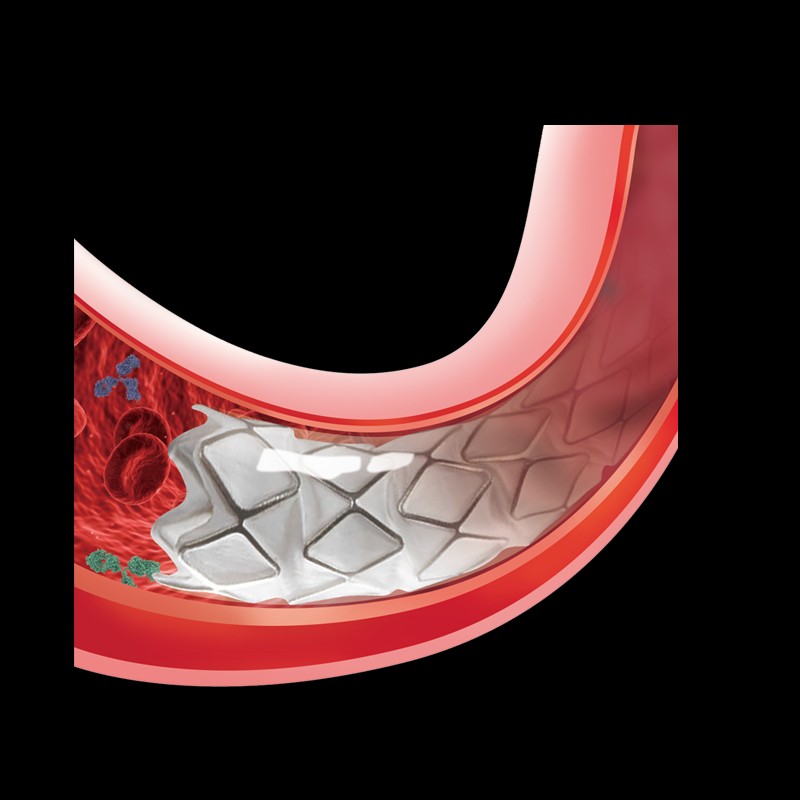
When a medical device enters the bloodstream, it confronts one of the body's most sophisticated defense systems. Blood is not merely a fluid transport medium—it is a dynamic, reactive substance primed to form clots at the slightest provocation. The introduction of a foreign surface, regardless of how carefully it is engineered, triggers a cascade of biological events that can compromise both device functionality and patient safety.
This cascade—protein adsorption followed by platelet adhesion and thrombus formation—represents the fundamental challenge of blood-contacting medical devices. A thrombus growing on a catheter tip can occlude flow and render the device useless. A clot forming on a flow diverter can cause strokes or vessel occlusion. Thrombosis on cardiovascular implants remains one of the leading causes of device failure and patient morbidity.
What do the clinical statistics reveal? Studies indicate that catheter-related thrombosis occurs in 30-60% of patients with central venous catheters, depending on catheter type and patient factors. Flow diverter thrombosis, while less common, carries devastating neurological consequences. Even with systemic anticoagulation, device-related thrombosis remains a persistent clinical problem, driving the need for surface modifications that actively resist clot formation without relying on pharmacological interventions.
The solution lies in engineering surfaces that the blood cannot recognize as foreign—or, more precisely, surfaces that mimic the body's own thromboresistant architecture. This is the foundational principle behind phosphorylcholine coating technology.
Phosphorylcholine (PC) coating is a biomimetic blood-compatible coating. Its core principles and characteristics are:
* **Bionic Mechanism:** Mimicking the outer layer of the cell membrane.
* Phosphorylcholine is the main lipid component of the outer layer of human cell membranes.
* The PC coating forms a "camouflage" layer on the device surface with the same structure as the cell membrane.
* Proteins and cells in the blood "mistake" it for their own tissue and will not initiate a rejection reaction.
* **Working Mode:** Passive "non-stick" strategy.
* The PC coating does not contain any drugs or active ingredients.
* It adheres firmly to the substrate surface through covalent bonding, with a nanometer-thickness.
* It forms a dense layer of water molecules on the surface, like a "water shield."
* Proteins, platelets, and inflammatory cells cannot adhere → thrombus formation cannot occur.
Through these pathways, phosphorylcholine coatings achieve antithrombotic performance via two complementary mechanisms, both passive and both rooted in the hydration layer's physical properties.
Mechanism 1: Reduced Platelet Adhesion
Platelets serve as the cellular mediators of thrombosis. Their adhesion to foreign surfaces is mediated by surface receptors that bind to adsorbed proteins—particularly fibrinogen, von Willebrand factor, and fibronectin. When a PC-coated surface presents a hydration layer instead of protein-coated substrate, platelets cannot establish the direct contact necessary for adhesion. The strongly bound water molecules sterically exclude platelets and maintain them in their quiescent, circulating state. In vitro studies with MPC polymer surfaces demonstrate platelet adhesion levels below 5% of those observed on uncoated control surfaces. The biology is clear.
What happens clinically when platelet adhesion is suppressed? The cascade never gains momentum. Reduced initial adhesion means fewer activated platelets, which means less platelet factor release, which translates to decreased thrombin generation.
Mechanism 2: Lower Protein Adsorption
Protein adsorption is the initiating event in surface-induced thrombosis. Fibrinogen adsorption, in particular, triggers platelet adhesion through the GPIIb/IIIa receptor binding site that becomes exposed when fibrinogen changes conformation on hydrophobic surfaces. Albumin adsorption, while less thrombogenic, still contributes to surface conditioning and foreign body response. MPC polymer surfaces reduce total protein adsorption to below 5 ng/cm²—a threshold at which the protein layer is insufficient to trigger downstream coagulation cascades. Research by Ishihara and colleagues quantified this effect, demonstrating that MPC surfaces adsorb 90-95% less protein than unmodified polymer surfaces. This matters clinically.
The clinical significance of these dual mechanisms emerges when considering the coagulation cascade as an interconnected system. Reduced protein adsorption means fewer platelet activation signals. Fewer activated platelets mean diminished platelet factor release. Reduced platelet activation translates to decreased thrombin generation through both the intrinsic and extrinsic pathways. The cascade never gains the momentum necessary for clinical thrombus formation. The impact is measurable.
This passive, non-pharmacological mechanism distinguishes PC coatings from active anticoagulant strategies. There is no drug to deplete, no therapeutic window to manage, no risk of systemic bleeding complications. From an engineering standpoint, the surface remains antithrombotic for its functional lifetime—however long the device remains implanted—without requiring patient management or compliance interventions.
jMedtech's jHemo PC® phosphorylcholine coating exemplifies this principle. Internal testing demonstrates a 98% reduction in thrombosis formation compared to uncoated surfaces and a 67% extension in coagulation time, reflecting the coating's capacity to delay, but not prevent, coagulation cascade progression. These are not theoretical projections; they are measured outcomes from standardized testing protocols that OEMs can reference for regulatory submissions.
Both phosphorylcholine and heparin coatings improve the hemocompatibility of blood-contacting devices, but their mechanisms, regulatory pathways, and clinical implications differ substantially. The following comparison clarifies the distinctions that OEM engineers and procurement decision-makers must consider when selecting surface modification technologies.
Parameter | Phosphorylcholine (PC) | Heparin |
Anticoagulation Mechanism | Passive (biomimetic hydration layer) | Active (binds antithrombin III) |
Drug Content | Drug-free | Drug-based |
Coating Thickness | Nanoscale | Micron-scale |
Durability | High (covalently bonded, no leaching) | Moderate (potential for leaching/depletion over time) |
HIT Risk | None | Yes (approximately 5% of patients may develop heparin-induced thrombocytopenia) |
Regulatory Pathway | Simpler (no drug-device combination classification) | More complex (drug-device combination product) |
Inflammatory Response | Very low | Low |
Anti-fouling (Protein/Cell) | Excellent | Moderate |
Lubricity | Naturally lubricious | Not inherently lubricious |
Cost Stability | Stable (synthetic, mass-produced) | Variable (animal-derived, supply volatility) |
Clinical Implications
HIT risk is absent with PC coatings. This positions them as the preferred choice for patients who require future heparin exposure—such as those undergoing cardiac surgery or dialysis—or who have documented HIT antibodies. For long-term implants where the device must maintain thromboresistance indefinitely without intervention, the covalent bonding and non-leaching nature of PC coatings provide superior durability.
From a regulatory perspective, PC coatings do not classify as drug-device combination products in most jurisdictions, simplifying the approval pathway and reducing submission complexity and timeline. Heparin-coated devices, by contrast, require the additional evidence packages associated with drug-device combinations, including drug substance characterization, drug release kinetics, and drug-device interaction studies.
Cost stability represents an underappreciated advantage of PC technology. Heparin is animal-derived—typically from porcine intestinal mucosa—and subject to commodity price volatility, supply chain disruptions, and religious/cultural restrictions. MPC polymers are synthesized from petrochemical feedstocks through controlled polymerization, enabling consistent pricing and reliable supply regardless of agricultural market conditions.
Worth noting: heparin retains specific clinical niches where its active anticoagulation mechanism provides advantages—such as devices requiring immediate, potent anticoagulation upon blood contact or patients who specifically benefit from localized heparin elution. Some applications employ hybrid approaches, combining PC's anti-fouling properties with heparin immobilization for synergistic effects. The two technologies are complementary rather than mutually exclusive, and OEMs should evaluate specific device requirements when making material selection decisions.
Flow diversion represents one of the most demanding applications for hemocompatible coatings. Flow diverters are braided wire mesh devices deployed across aneurysm necks to redirect blood flow, inducing aneurysm thrombosis while maintaining patency of the parent vessel. The device remains in permanent contact with flowing blood, and any surface-induced thrombosis on the mesh struts can occlude the parent vessel or generate emboli. Not trivial.
Pipeline Shield Technology (Medtronic) exemplifies PC coating application in flow diversion. This device employs covalently bonded MPC polymer coating across its braided nitinol surface. In vitro testing demonstrates that PC coating reduces platelet activation by 94% and thrombin activation by 55% compared to uncoated flow diverters—converting a highly thrombogenic braided wire surface into a clinically manageable interface. Real results.
The PEDESTRIAN study, a prospective registry evaluating Pipeline Shield in unruptured aneurysms, reported a 2-year complete occlusion rate of 92.5% with a complication rate of only 2.1%—numbers that compare favorably with earlier-generation flow diverters and support the clinical value of PC coating technology. Notably, the reduced thrombogenicity profile of PC-coated flow diverters has enabled investigation of reduced dual antiplatelet therapy (DAPT) duration, potentially decreasing bleeding complications associated with long-term dual antiplatelet regimens. Better outcomes follow.
The ongoing ELEVATE trial (ClinicalTrials.gov NCT04391803) is specifically investigating Pipeline Shield safety in ruptured aneurysms—a population where the thrombotic risk-benefit calculus differs dramatically from elective cases and where conventional uncoated flow diverters face heightened concern.
For OEMs developing next-generation flow diversion devices, PC coating represents a validated approach to improving hemocompatibility without the regulatory complexity of active drug delivery systems.
Peripherally inserted central catheters (PICCs) serve as long-term vascular access routes for chemotherapy, parenteral nutrition, and extended antibiotic therapy. These devices, typically positioned in the upper extremity venous system with tips terminating in the central veins, face a distinctive thrombosis challenge: prolonged blood contact in relatively low-flow vessels. The challenge is real.
PICC-related thrombosis—manifesting as upper extremity deep vein thrombosis (DVT) or catheter occlusion—affects a substantial proportion of long-term PICC patients, with some studies reporting rates exceeding 40% in high-risk populations. Thrombotic occlusion renders the catheter unusable, necessitates costly and invasive catheter replacement, and exposes patients to DVT and pulmonary embolism risks. The stakes are high.
PC coating addresses these challenges by creating a thromboresistant surface along the entire catheter length, from the hub to the tip. The drug-free nature of PC technology is particularly valuable for PICCs, where systemic anticoagulation is often contraindicated due to the patient's underlying condition. The simpler regulatory pathway for PC-coated PICCs also benefits manufacturers seeking market entry, as no drug-device combination documentation is required. Simpler is better.
jMedtech has developed specific application expertise for PC coating on PICC substrates, optimizing coating uniformity across the braided or coil-reinforced catheter shaft and ensuring coating integrity during insertion through introducer sheaths.
Covered stents—stent-grafts used to seal vessel walls, exclude aneurysms, or maintain luminal patency in tortuous or compromised anatomy—require exceptional hemocompatibility given their large surface area in continuous blood contact. The polytetrafluoroethylene (PTFE) or polyurethane graft material covering the stent frame must resist thrombosis without impeding endothelialization. Balance is critical.
The BiodivYsio stent (Abbott Vascular), launched in the early 2000s, was the first commercially available PC-coated coronary stent. This established the clinical precedent for PC technology in vascular applications. The SOPHOS study, a prospective evaluation of the BiodivYsio PC-coated stent in 425 patients, confirmed the device's safety and efficacy.
A critical advantage of PC coating in covered stent applications is its compatibility with endothelialization. Unlike some drug-eluting surfaces that inhibit cell growth to prevent restenosis, PC coatings maintain the passive, biomimetic character that supports—rather than impedes—re-endothelialization. The endothelial layer, once established, represents the ultimate blood-compatible surface, and facilitating its development enhances long-term device performance.
The ENDEAVOR II trial evaluated a zotarolimus-eluting, PC-coated stent system (Medtronic) against bare metal stents, demonstrating significantly reduced target lesion revascularization and adverse cardiac events in the PC-coated device arm. This hybrid approach—combining the anti-restenotic benefit of limus-class drug elution with the hemocompatibility of PC coating—illustrates how PC technology can serve as a platform for multifunctional surface engineering.
Vascular grafts—synthetic conduits used to bypass diseased or occluded vessels—face a fundamental challenge: the graft material is inherently foreign, and the body's response is thrombosis until endothelialization progresses along the graft lumen. Small-diameter grafts (<6 mm) are particularly problematic, as they operate below the threshold where native flow dynamics provide meaningful thromboprotection.
PC coating on artificial vessel surfaces modifies this paradigm by reducing the thrombogenic stimulus during the critical early post-implantation period, buying time for limited endothelialization to develop. PC-coated extracorporeal circuits—used in cardiopulmonary bypass and extracorporeal membrane oxygenation (ECMO)—demonstrate reduced postoperative bleeding complications, decreased transfusion requirements, and lower total heparin dosage during bypass. These clinical benefits translate to improved patient outcomes and reduced healthcare costs. What this means for device developers: longer device viability.
PC-modified oxygenator membranes—typically polypropylene hollow fibers with PC polymer surface modification—show significantly reduced albumin and fibrinogen adsorption compared to unmodified membranes. This reduction in protein fouling maintains gas exchange efficiency over longer run times, a critical consideration for ECMO patients who may require days or weeks of support.
For OEMs manufacturing vascular grafts, oxygenators, or related extracorporeal circuit components, PC coating technology provides a validated approach to improving hemocompatibility while maintaining processing compatibility with existing manufacturing workflows.
Blood-contacting medical devices must demonstrate biocompatibility through standardized testing protocols defined in ISO 10993, the international standard for biological evaluation of medical devices. For devices incorporating PC coatings, the relevant test categories span multiple evaluation endpoints. Testing is thorough.
Hemocompatibility (ISO 10993-4) constitutes the primary evaluation for blood-contacting surfaces. This standard defines tests for thrombosis, coagulation, platelet and leukocyte counts, complement activation, and hemolysis. PC-coated surfaces typically demonstrate favorable performance across these endpoints, with thrombosis testing showing reduced clot formation and coagulation testing showing extended clotting times—consistent with the coating's passive antithrombotic mechanism. Performance validates the approach.
Cytotoxicity (ISO 10993-5) evaluates whether device materials or extracts cause cellular damage. MPC polymers and their polymerization byproducts must be assessed for potential cytotoxic effects, with extraction conditions (polar and non-polar solvents) spanning relevant clinical exposure scenarios.
Sensitization and Irritation (ISO 10993-10) address the device's potential to trigger immune-mediated or local tissue reactions. The biomimetic character of PC coating—mimicking natural cell membrane components—typically results in minimal sensitization and irritation potential, though guinea pig maximization testing and irritation studies remain required.
Risk Management (ISO 14971) mandates systematic identification of device hazards, estimation of risks, and implementation of risk control measures. For PC-coated devices, the risk analysis should address coating integrity during manufacturing, shelf storage, sterilization, and clinical deployment, as well as potential failure modes such as delamination or particulate generation.
The regulatory advantage of drug-free PC coatings cannot be overstated. In the United States, FDA does not classify PC-coated devices as combination products requiring CDER (Center for Drug Evaluation and Research) review alongside CDRH (Center for Devices and Radiological Health) oversight. The submission pathway is straightforward device 510(k) or PMA review, without the additional documentation burden of drug substance characterization and drug release studies. Similarly, in the European Union under the Medical Device Regulation (MDR 2017/745), PC-coated devices proceed through standard device conformity assessment without the extended clinical evidence requirements applicable to drug-device combinations. In practice, this simplifies everything.
The FDA Master File registration for Lipidure® CM5206 (NOF Corporation) provides a documented regulatory precedent that US-based OEMs can reference in their submissions, demonstrating the material's safety and efficacy for blood-contacting device applications. Precedent matters.
Sterilization compatibility is a practical concern for OEM manufacturing and end-product processing. PC coatings demonstrate stability across conventional sterilization modalities: gamma-ray irradiation (25-40 kGy), ethylene oxide gas sterilization, and steam autoclaving. The covalent bonding characteristic of premium PC technologies like jMedtech's jHemo PC® ensures coating integrity remains intact through multiple sterilization cycles, without the delamination risk associated with physically adsorbed or loosely bound surface treatments. Durability is built in.
Selecting between phosphorylcholine and heparin coatings—or determining whether a specific application warrants surface modification at all—requires systematic evaluation of device characteristics, clinical requirements, and commercial constraints. The practical reality is that no single solution fits all applications.
Mechanism Alignment: The decision framework begins with a fundamental question: does the device require active anticoagulation (through drug release or biological activity) or passive thromboresistance (through surface chemistry alone)? For devices where passive surface protection suffices—such as chronic implants intended to function without systemic anticoagulation—PC coatings offer the optimal combination of efficacy and simplicity. For devices where active anticoagulation is clinically necessary—such as acute extracorporeal circuits during cardiac surgery—heparin coatings or systemic anticoagulation may be more appropriate.
Substrate Compatibility: PC coatings adhere effectively to a broad range of substrate materials, including:
• Metals: Nitinol, stainless steel, titanium, and titanium alloys
• Polymers: Polyurethane (PU), polycarbonate (PC), polyethylene (PE), polyvinyl chloride (PVC), polydimethylsiloxane (PDMS), polymethyl methacrylate (PMMA), polyethylene terephthalate (PET), and polyether block amide (PEBAX)
OEMs should confirm specific coating compatibility with their substrate and surface preparation requirements through technical consultation with the coating supplier.
Coating Method Selection: Multiple application methods can achieve PC coating deposition, each with distinct characteristics:
• Dip-coating provides uniform coverage on simple geometries but may struggle with complex internal lumens or sharp corners where fluid drainage creates film non-uniformity. Method has limits.
• Graft polymerization creates covalently bonded polymer chains extending from the substrate surface, providing excellent durability and anti-fouling performance but requiring more sophisticated process control. Complexity increases.
• Covalent bonding via silane or other coupling chemistries offers the most robust attachment, ensuring the coating remains intact through sterilization, handling, and long-term implantation. Robustness wins.
For demanding applications such as long-term implants, covalent bonding is the preferred approach, ensuring that the coating does not deplete, delaminate, or shed particles over the device's functional lifetime.
Uniformity on Complex Geometries: Devices with intricate features—braided meshes, laser-cut patterns, tortuous lumens, or multi-component assemblies—present coating uniformity challenges that require process validation. Suppliers with extensive application experience and characterization capabilities (scanning electron microscopy, X-ray photoelectron spectroscopy, and coating weight uniformity testing) can support OEMs in developing robust coating processes for complex geometries.
Expert Perspective: "For long-term blood-contacting implants where passive thromboresistance is sufficient, PC coatings offer a simpler regulatory path and more durable performance. For devices requiring active anticoagulation, heparin or a dual PC+heparin strategy may be more appropriate."
The key takeaway for OEMs is that surface modification is not a binary choice between "coated" and "uncoated." The technology selection—PC, heparin, hybrid, or combinations thereof—must align with the device's specific clinical function, implantation duration, patient population, and regulatory classification.
Phosphorylcholine coating technology continues to evolve, with several research directions promising expanded capabilities for next-generation medical devices.
Biodegradable PC-Based Polymers: Recent research has explored MPC polymers incorporating biodegradable linkages, enabling temporary surface modification that degrades as the device tissue integration progresses. Such approaches could support cardiovascular scaffolds or tissue engineering scaffolds where transient thromboresistance is needed during early healing, followed by controlled degradation to expose pro-healing surfaces.
PC as a Drug-Eluting Platform: The PC hydration layer provides an ideal primer for drug-eluting functionality. By incorporating drug-containing reservoir layers beneath or within the PC outer layer, devices could achieve synergistic benefits: PC's passive antithrombotic effect reduces early thrombosis risk, while localized drug release addresses restenosis, hyperplasia, or other device-specific failure modes. The limus-class drugs (sirolimus, everolimus, zotarolimus) are candidates for such combination approaches.
Combination Coatings: Research into dual-function surfaces combining PC with nitric oxide (NO)-releasing chemistry offers compelling possibilities. NO is an endogenous vasodilator and antithrombotic molecule produced by endothelial cells; surfaces that release NO at controlled rates could provide pharmacological thromboprotection while PC's hydration layer provides passive protection. Such synergistic approaches may enable further reductions in systemic anticoagulation requirements.
Surface Endothelialization Promotion: Strategies to accelerate endothelial cell recruitment and growth on device surfaces—including PC coatings functionalized with endothelial cell adhesion molecules or endothelial progenitor cell capture ligands—represent an active research frontier. A fully endothelialized surface represents the ultimate in hemocompatibility, and PC's excellent biocompatibility positions it as a foundation for such endothelialization-promoting strategies.
Single Antiplatelet Therapy (SAPT): Clinical trends favor reduced antiplatelet therapy duration following device implantation, driven by bleeding complication concerns. Surface-modified devices that provide meaningful thromboresistance may enable SAPT regimens where dual antiplatelet therapy would otherwise be required, improving patient quality of life and reducing bleeding risks. PC-coated devices are well-positioned to support this clinical evolution.
jMedtech has established itself as a premier partner for OEMs seeking advanced hemocompatible surface technologies, offering a comprehensive portfolio that spans both phosphorylcholine and heparin coating solutions.
jHemo PC® Phosphorylcholine Technology
jMedtech's flagship PC product, jHemo PC®, delivers the full spectrum of benefits associated with phosphorylcholine coating:
• Covalently bonded coating ensuring long-term durability without leaching or depletion
• Nanoscale coating thickness maintaining device dimensions and flexibility
• Drug-free formulation eliminating HIT risk and regulatory drug-device combination requirements
• Independently validated performance: 98% thrombosis reduction and 67% coagulation time extension
Hygea® Heparin Antithrombogenic Coating
For applications requiring active anticoagulation, jMedtech offers Hygea® heparin coating technology:
• Covalent bonding with UV or thermal curing for durable, stable coating attachment
• Nanoscale precision with optimized graft density for consistent anticoagulant activity
• Broad substrate compatibility across metals and polymers
• Proven clinical track record in demanding applications
Strategic Acquisition: Hydromer Partnership
The 2025 partnership with Hydromer brings 40+ years of specialized antithrombogenic coating experience to the jMedtech portfolio. Hydromer's proprietary heparin immobilization technology, broad substrate compatibility expertise, and established clinical validation complement jMedtech's manufacturing scale and global customer support infrastructure.
The jMedtech Advantage: No Compromise
Unlike suppliers offering only single-technology solutions, jMedtech provides OEMs with access to both PC and heparin coating technologies. This comprehensive portfolio ensures that customers receive objective technology recommendations aligned with their specific device requirements—not constrained by a single coating chemistry's limitations. For OEMs developing multiple device lines with varied hemocompatibility needs, a single qualified supplier relationship simplifies vendor management and accelerates time to market.
Contact our technical experts to discuss your project or request a sample.