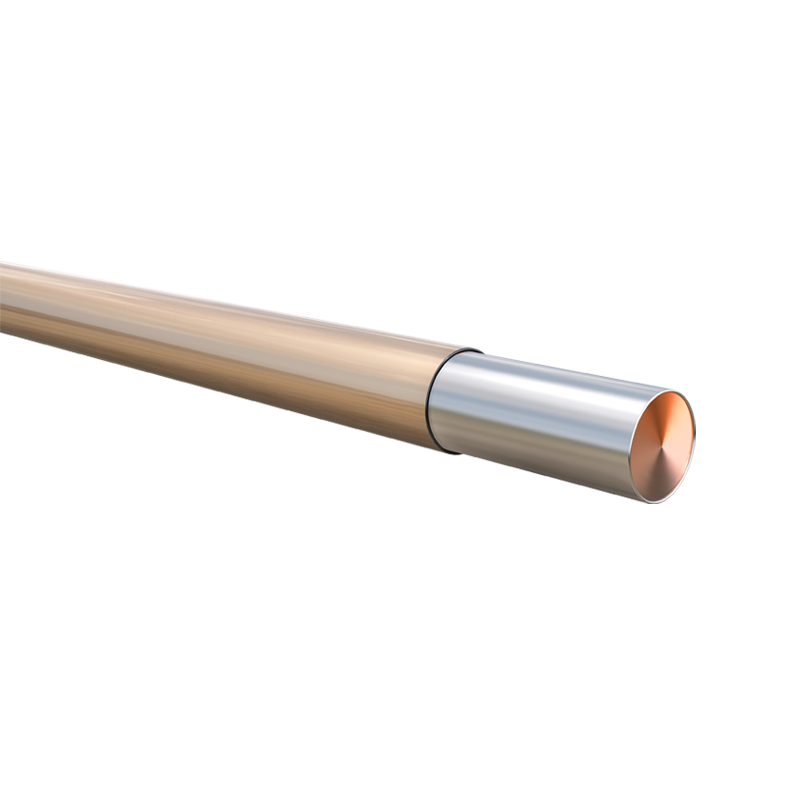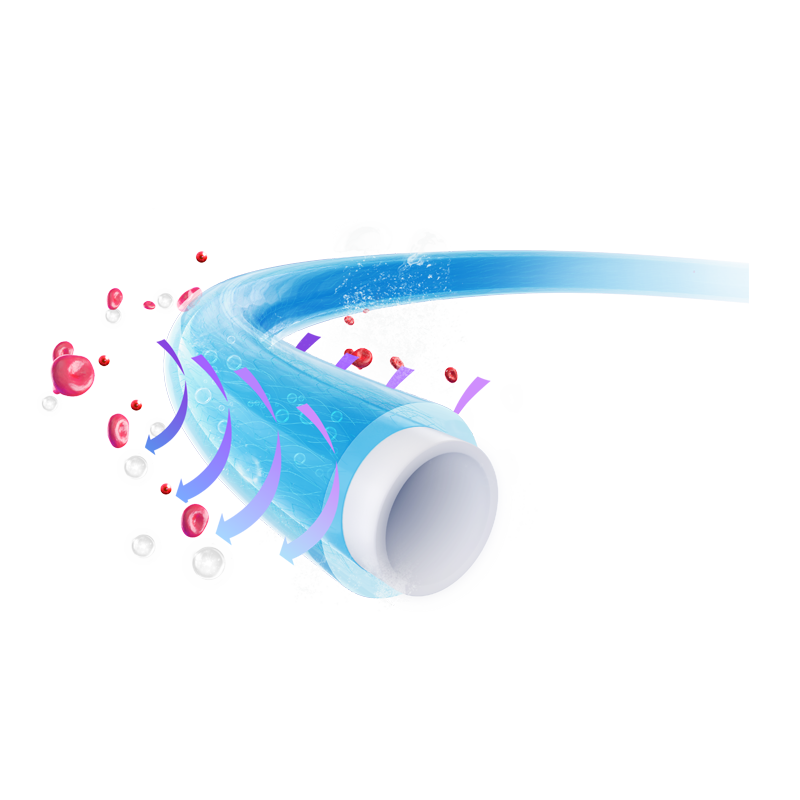
A catheter hydrophilic coating system is an integrated technical solution for applying hydrophilic functional treatment to the surface of medical catheters.
From a product-development standpoint, it generally involves more than a single coating material.
A complete system may include:
· The catheter substrate;
· Surface pretreatment;
· The coating material;
· The coating method;
· The drying or curing process;
· Coating production equipment;
· Performance-testing methods.
Therefore, when medical device companies talk about a “hydrophilic coating system,” the real question to be solved is usually:
how to match the coating material with the specific catheter product and the actual production process.
A catheter itself may be made of different materials. Different materials have different surface conditions and may therefore impose different coating-adaptation requirements. At the same time, catheters may have different structures, and all of these factors affect the development of a hydrophilic coating project.
In actual use, medical catheters may need to come into contact with human tissue, blood vessels, or other biological environments.
The frictional behavior of the catheter surface can affect device delivery and handling. Medical device companies may therefore wish to improve the surface behavior of a catheter in a specific usage environment through surface-functionalization technology. Hydrophilic coating is precisely one important technical direction.
Such lubricious hydrophilic coatings reduce friction and improve patient comfort, while hydrophilic polymer coating technology maintains long-term hydration for optimal performance.
As a hydrophilic coating for medical devices, it minimizes leaching and maintains a uniform, transparent appearance, delivering reliable performance for sensitive medical applications.
This hydrophilic polymer coating offers excellent resilience and flexibility, allowing the hydrophilic-coated catheter to bend through tortuous pathways without cracking or delaminating, while maintaining a soft tip to ensure patient safety.
The core of a hydrophilic coating is to alter—or impart—the corresponding hydrophilic characteristics of the material surface.
When the device is placed in a specific aqueous environment, the hydrophilic surface may exhibit an interface state different from that of the original material.
For medical catheters, this surface state can be related to lubrication and frictional behavior during device handling.
In practice, however, the actual result is not determined by the single factor of “whether the surface is hydrophilic.”
Different types of medical devices may have different surface-functionalization needs.
Vascular interventional products typically involve complex navigation pathways.
Device surface design can therefore become an important factor in product R&D.
Hydrophilic coating can serve as a technical direction for surface-functionalizing vascular interventional devices.
The specific application needs to be assessed in conjunction with the catheter material, structure, and target performance.
Neurovascular interventional devices generally have tight requirements for dimensions and handling performance.
Accordingly, materials and surface technology can become important parts of product development.
For a specific project, technical verification needs to be carried out against the actual device structure.
Different types of urological medical devices may also involve catheter-material and surface-performance design.
Whether a hydrophilic coating is appropriate needs to be determined according to the specific product design and technical requirements.
As medical device technology continues to develop, more and more products require surface-functionalization design.
The specific application scope of catheter hydrophilic coatings needs technical evaluation against actual product needs.
A successful coating project depends on more than choosing a single material.
The following issues usually deserve focused attention.
Different catheter materials may have different surface properties.
It is therefore necessary to assess whether the coating system is suited to the specific substrate.
Early in project development, clear substrate information should be provided.
For example:
· Material type;
· Surface condition;
· Whether other treatments have been applied;
· Whether multiple materials are present.
This information helps achieve a more accurate technical match.
For medical catheters, the coated region can be relatively long.
Therefore, how to maintain coating consistency across different positions is an issue that needs attention during production.
In mass manufacturing in particular, the following need further consideration:
· Coating stability;
· Process repeatability;
· Consistency across products.
The specific evaluation method needs to be determined according to the product quality system and technical requirements.
Some catheters are not simple straight tubes.
They may have:
· Curved regions;
· Regions of different diameters;
· Connection regions;
· Complex structures.
These structures can increase the difficulty of the coating process.
Therefore, during the R&D stage, testing should use actual samples that are as close as possible to the final product.
Medical device manufacturing is generally not a single step.
After coating is complete, the product may still require:
· Further assembly;
· Other surface treatments;
· Packaging;
· Other manufacturing steps.
It is therefore necessary to consider whether subsequent processes affect the coating.
A coating project cannot be evaluated independently of the overall manufacturing process.
A relatively complete development process can usually be divided into several stages.
The medical device company needs to clarify:
· What is the product?
· What is the catheter substrate?
· Which regions need to be coated?
· What surface function is intended?
This information is the foundation for launching the project.
Based on:
· Substrate;
· Product structure;
· Coated region;
· Manufacturing process;
an initial solution assessment is conducted.
Coating verification is carried out using actual products or samples close to the actual product.
The purpose of this stage is not to move immediately into mass production, but to confirm technical feasibility.
Appropriate tests are conducted according to project needs.
The test items should be determined by the actual product technical requirements.
They may involve the coating’s:
· Surface behavior;
· Uniformity;
· Processing adaptability;
· Other project-related indicators.
The specific test methods and standards need to be determined according to the actual project.
Based on the test results, the following are optimized:
· The coating solution;
· The pretreatment method;
· The coating process;
· The subsequent treatment workflow;
to refine the process.
Before entering batch production, the following need to be verified:
· Process repeatability;
· Product consistency;
· Equipment stability;
· Production efficiency.
jMedtech’s patented jAqua® hydrophilic lubricious coating adopts a unique UV-curing process that can reduce the coefficient of friction of the device surface by more than 95% and shorten curing time by more than 80%, significantly improving production efficiency while forming a uniform, thin, and firmly bonded coating. The coating combines excellent resilience and flexibility, allowing the catheter to bend through tortuous vascular pathways without cracking, while effectively reducing particulate release and preserving the softness of the tip to comprehensively enhance patient safety.
The complex structure of braided tubing presents a challenge for hydrophilic coatings because delamination can occur during use. jMedtech offers an advanced lubricious hydrophilic coating solution that improves surface hardness without compromising the performance of the braided tubing.
This hydrophilic surface coating can reduce the coefficient of friction by more than 95%, while coating samples demonstrate excellent particulate stability, chemical performance, and biocompatibility. The hydrophilic polymer coating technology ensures stable, reliable performance, making the jAqua® hydrophilic coating an ideal choice for medical devices—especially for hydrophilic coating applications on catheters.
At the same time, its business portfolio also includes:
· High-performance medical tubing;
· Automated coating equipment;
· Related testing equipment.
This portfolio can support projects across multiple links, including medical device materials, surface functionalization, and manufacturing processes.
As medical devices continue to become smaller and more complex, catheter surface technology will also keep advancing.
In the future, medical device companies may focus more on:
· Coating capability for more complex structures;
· Higher degrees of production automation;
· More stable batch manufacturing;
· Finer region-specific surface-functional design.
At the same time, coating technology will increasingly emphasize a systematic approach.
What companies need to consider is not simply “buying a coating material,” but building a complete system of:
Materials + Process + Equipment + Testing
technology.
For long-term product development, this systematic capability will become one of the important competitive factors in medical device manufacturing.
A catheter hydrophilic coating system is an important technical direction for surface functionalization in modern medical devices.
It is not simply a matter of adding a layer of material to the catheter surface; it is an integrated solution involving substrate analysis, coating selection, process development, production equipment, and quality control.
When developing a hydrophilic coating project, medical device companies need to focus on:
· The catheter substrate;
· Product structure;
· The coated region;
· The target surface function;
· The coating process;
· Mass-production requirements.
A hydrophilic coating solution truly suited to a product needs to be confirmed through actual samples and project testing.
jMedtech’s business portfolio covers medical coatings, high-performance tubing, and related coating-automation and testing equipment, and can provide technical support for medical device surface-functionalization projects.
A catheter hydrophilic coating is a functional coating technology applied to the surface of medical catheters, used to impart corresponding hydrophilic characteristics and surface functions to the catheter surface.
Some medical catheters require surface-functionalization design to meet product needs in a specific usage environment. Hydrophilic coating can serve as a technical direction for improving the wetting- and friction-related behavior of the catheter surface.
The actual effect needs to be verified on the actual product.
Not necessarily.
Whether a hydrophilic coating is appropriate needs to be assessed according to the catheter material, structure, application environment, and product technical requirements.
A complete project may include:
· The catheter substrate;
· Surface treatment;
· The coating material;
· The coating process;
· Subsequent treatment;
· Production equipment;
· Testing and quality control.
Catheters and some interventional medical devices may have needs for hydrophilic surface functionalization.
The specific application scope needs to be confirmed against the actual product.
Contact our technical experts to discuss your project or request a sample.