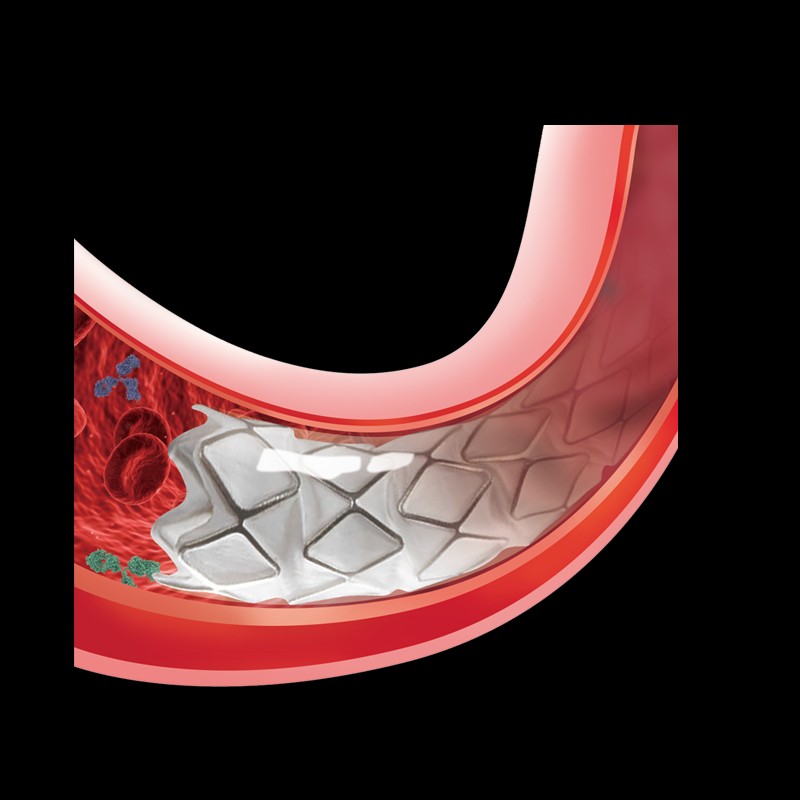
In interventional procedures, neurointerventional catheters are subject to extremely stringent performance requirements, such as ultra-thin wall thickness, high flexibility, low friction, and biocompatibility. The integration of a PTFE Liner enables catheter designs to better meet these performance criteria.
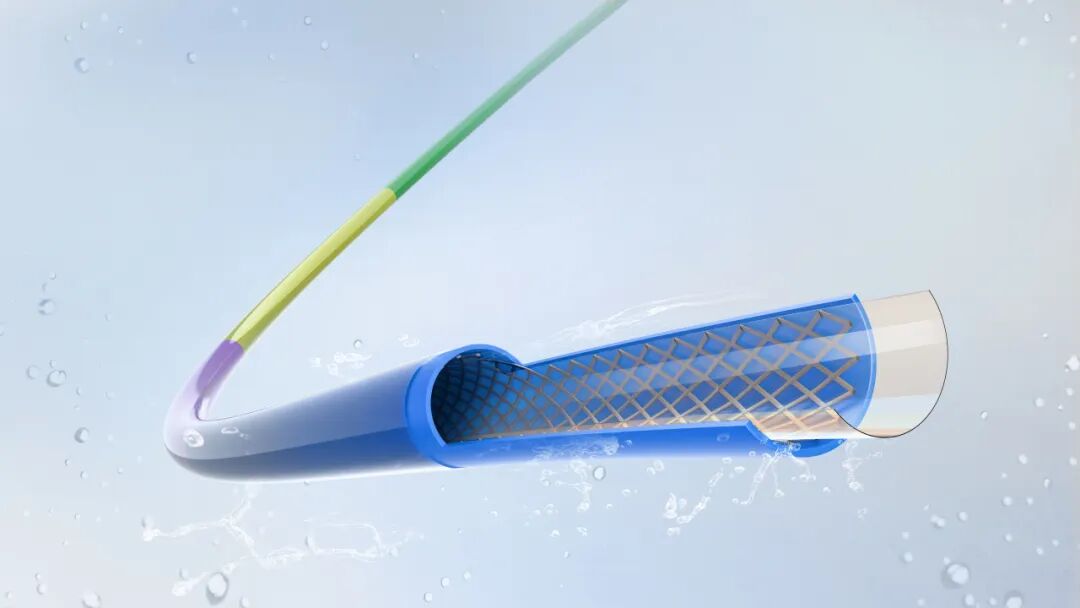 Application of PTFE Liner in Neurointerventional Catheters
Including neuroaspiration catheters, neuro microcatheters, distal access catheters, guiding catheters, and more.
PTFE Liners are often combined with other materials (e.g., PA, PEBAX, TPU) to achieve functional zoning or gradual stiffness changes along the catheter axis through multi-layer / multi-segment composite designs. The key roles of jMedtech PTFE Liner in various catheters are as follows:
jMedtech offers ToughFlex™ Free-Extrusion PTFE Liner with superior yield strength. High yield strength reduces plastic deformation of the catheter during delivery, ensures efficient axial transmission of push force to the distal tip, and improves catheter pushability. Strong etching enhances bonding between the PTFE Liner and other materials, boosting overall catheter integrity.
For instance, flow diverters used in treating distal middle cerebral artery lesions demand precise long‑distance deliverability.
High tensile strength prevents rupture or delamination of the catheter under tensile stress, safeguarding procedural safety.
Guiding catheters of 5F and 6F outer diameters require larger lumens to accommodate multiple devices and thinner walls. During surgery, they endure repeated push‑pull forces; thus, the PTFE Liner must provide high tensile performance to maintain structural integrity.
PTFE’s high processability allows extrusion into ultra‑thin‑walled tubing. In composite tubing, it provides lubrication while maximizing lumen space, creating more room for guidewires and functional devices and enhancing device compatibility.
For neuro distal access catheters, ultra‑thin‑walled PTFE Liner enables large‑bore pathways at the same outer diameter, ensuring excellent vascular trackability and conformability.
The hydrophobicity of PTFE Liner creates a lubricious inner surface, significantly reducing friction between the catheter inner wall and devices such as guidewires and balloons.
In neuro microcatheters, the inner PTFE Liner improves guidewire navigation through complex vascular paths and lowers procedural resistance, making it widely used in delicate procedures such as intracranial aneurysm embolization.
PTFE Liner provides reliable mechanical strength (tensile and yield properties), maintaining lumen integrity throughout device use and enhancing catheter durability.
In neuroaspiration catheters, the PTFE Liner serves as a key component in negative‑pressure‑resistant tip design, improving structural stability and preventing damage during device delivery.
jMedtech provides a full range of PTFE Liner types and specifications to fully satisfy customer needs from micro‑to large‑diameter applications. Sizes and performance are fully customizable.
As a core material, PTFE Liner in neurointerventional medical devices delivers improved pushability, enhanced tensile strength, expanded working space, and other critical functions, helping neurointerventional catheters achieve high pushability, low trauma, and strong functionality.
With advances in materials science, the composite application of PTFE Liner with other functional materials will further unlock its potential in the medical device field.
Contact our technical experts to discuss your project or request a sample.