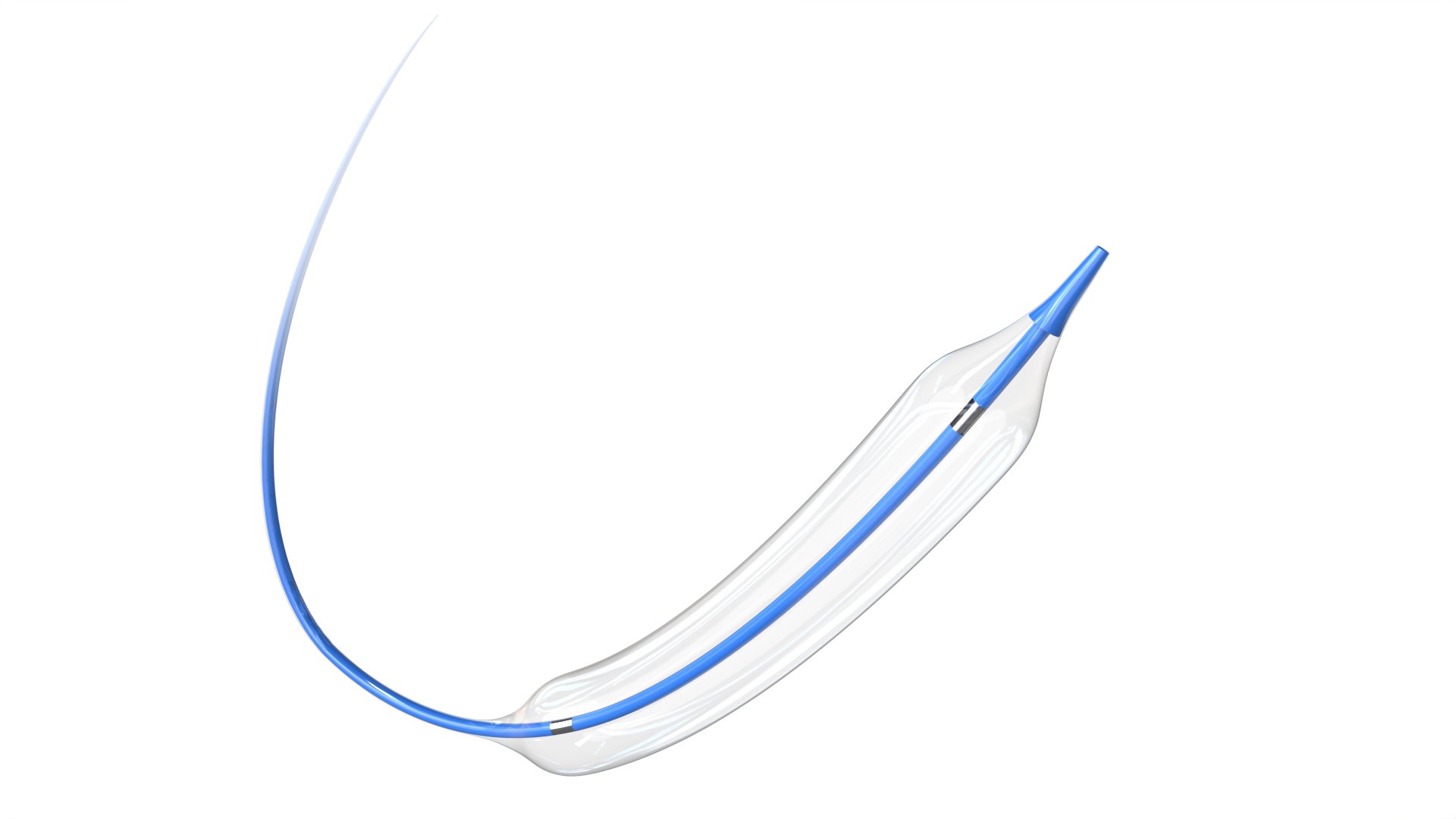
Neurovascular catheters are precision-engineered medical devices designed for the controlled navigation of the cerebral vasculature. They play a critical role in interventional neurology, providing essential access for the treatment of acute ischemic stroke, intracranial aneurysms, and arteriovenous malformations (AVMs).
The primary function of neurovascular catheters is to serve as the main conduit for delivering therapeutic devices, including coils, stents, and flow-diverting implants, to complex cerebral structures such as the Circle of Willis. By facilitating the accurate placement of these devices, neurovascular catheters enable minimally invasive interventions that reduce procedural risk and improve clinical outcomes. Advanced designs often utilize high-quality medical catheter tubing and precision components from leading catheter liner manufacturers. Additionally, custom catheters are increasingly employed to accommodate patient-specific vascular anatomies, further enhancing procedural safety and efficacy.
Despite their critical role, neurovascular catheters continue to face significant challenges. Cerebral vasculature is considerably more tortuous than the coronary arteries, while the vessel walls are extremely thin and the luminal diameters are narrow. These anatomical constraints impose stringent requirements on the structural performance of medical tubing.
Accordingly, catheter design must simultaneously achieve exceptional flexibility, precise torque response, and reliable navigational control, while maintaining structural integrity as it traverses highly complex vascular pathways.
The successful performance of neurovascular catheters relies on 3 critical factors:
Trackability refers to a catheter’s ability to maintain optimal followability and controlled pushability while navigating complex vascular pathways, enabling it to smoothly traverse tortuous vessel segments, such as severely curved regions of the internal carotid artery. Superior trackability reduces resistance during device advancement within the catheter, allowing guidewires, microcatheters, and other interventional devices to be delivered more steadily to the target site in highly tortuous neurovascular environments. This ultimately improves overall procedural safety and operational efficiency.
This performance is highly dependent on the selection and structural design of the inner liner material, particularly its low-friction characteristics and consistency. Achieving this typically requires a mature system of medical-grade catheter liner materials, supported by specialized manufacturing capabilities and extensive experience in catheter production.
Pushability and Torqueability define the efficiency of force transmission from the clinician’s hand to the catheter tip. A high-performance neurovascular catheter provides a near 1:1 response, enabling precise control over device placement. This capability is essential when delivering coils, stents, or flow-diverting devices to critical cerebral regions, where even minor deviations can compromise treatment outcomes. Custom catheters can be engineered to optimize these characteristics for specific anatomical challenges.
Kink Resistance ensures that the catheter maintains lumen integrity under extreme bending. This property prevents occlusion, allowing continuous flow of contrast media and uninterrupted delivery of therapeutic devices. A neurovascular catheter with robust kink resistance can safeguard procedural reliability, particularly in highly tortuous or sharply angled vessels.
Together, trackability, pushability, torqueability, and kink resistance define the operational success of neurovascular catheters. Each of these attributes addresses the unique challenges posed by the cerebral vasculature and directly impacts procedural safety and efficacy.
Despite the advances in design and material technology, neurovascular catheters still face several intrinsic challenges that can compromise procedural safety and efficiency. Understanding these pain points is essential for developing effective solutions and improving clinical outcomes.
Excessive friction along the inner wall of the neurovascular catheter can create significant resistance during the delivery of therapeutic devices, such as coils or stents. This increased resistance may cause device stalling or difficulty in advancement, disrupting the smooth progression of the procedure.
Consequences: High friction directly diminishes tactile feedback for the physician, reducing the ability to sense subtle changes in vascular resistance. This can lead to undesirable “kickback,” displacement, or even inadvertent injury to delicate cerebral vessels. Optimizing the inner surface through advanced catheter liner materials and precise manufacturing techniques is critical to mitigate this risk.
Neurovascular catheters are typically composed of multiple layers of materials, each selected for specific mechanical or functional properties. However, under mechanical stress or during complex navigation, these layers can separate, resulting in delamination.
Consequences: Catheter delamination can compromise procedural control, impair pushability and torqueability, and increase the risk of device misplacement. In severe cases, it may directly interfere with the safe delivery of therapeutic devices, posing a substantial risk to patient outcomes. Ensuring robust material bonding and consistent quality from catheter liner manufacturers is therefore essential.
Neurovascular catheters demand precise navigation, consistent mechanical performance, and minimal resistance to ensure safe and effective cerebral interventions. Integrating jMedtech’s MatrixLiner® PTFE liner on the inner lumen simultaneously enhances performance by addressing friction, mechanical integrity, and flexibility.
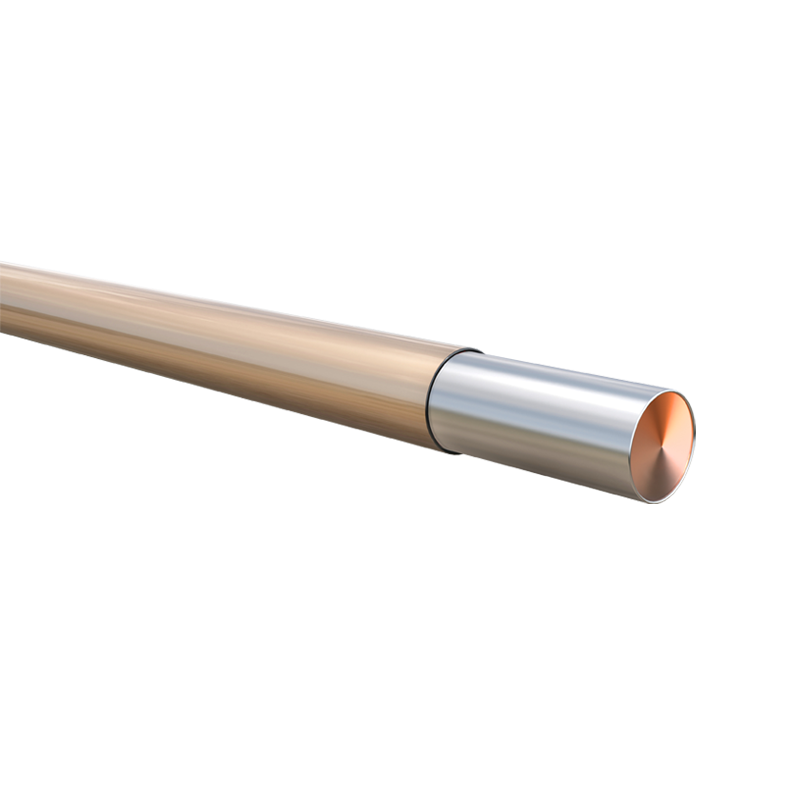
The selection of PTFE as an inner liner material is primarily based on its extremely low coefficient of friction and excellent surface lubricity. PTFE possesses a nearly inert chemical structure, enabling the formation of a stable and durable low-resistance sliding interface along the inner wall of the catheter. This characteristic helps reduce both initial and dynamic resistance during device delivery, thereby effectively mitigating the challenges associated with high friction within the catheter lumen.
In neurovascular intervention procedures, such stable sliding performance is particularly critical. It allows physicians to obtain clearer and more sensitive tactile feedback during device manipulation, while also reducing the risk of device rebound or vascular wall injury.
The jMedtech MatrixLiner® is designed using PTFE specifically to meet the stringent requirements for smooth device delivery in neurovascular interventional catheters. PTFE offers excellent biocompatibility, high chemical stability, and superior inner surface smoothness after processing. These properties enable the catheter to maintain a consistently low-friction state over prolonged use, thereby enhancing both the safety and precision of interventional procedures. Overall, PTFE represents a well-engineered solution to address high-friction challenges in catheter design.
Catheter delamination fundamentally arises from interfacial shear forces generated within multilayer structures under repeated mechanical loading, bending stress, and operational forces such as pushing and torqueing. When the bonding strength between layers is insufficient, micro-level separation may occur during use and gradually propagate into macroscopic delamination. This structural degradation weakens the mechanical continuity of the catheter, reduces synchronization between pushability and torque response, and ultimately compromises precise control during device delivery.
The jMedtech MatrixLiner® significantly enhances the bonding strength between the PTFE liner layer and the outer composite materials through optimized material interface treatment processes. As a result, the catheter can maintain structural stability even under complex mechanical conditions. This high-strength interfacial bonding effectively suppresses interlayer slippage and delamination tendencies, thereby reducing the probability of structural failure and ensuring reliable device delivery and stable catheter control when navigating tortuous vascular pathways.
Ultra-Thin Wall Thickness: MatrixLiner® achieves an extremely thin wall thickness up to 0.0005 in (~12 microns). Such an ultra-thin design enhances softness and transparency of the liner while minimizing the overall catheter profile. And, a thinner PTFE wall reduces internal volume resistance and allows therapeutic devices to glide with less force, preserving tactile feedback.
Industry-Leading Dimensional Tolerance: The inner diameter and wall thickness are tightly controlled within narrow tolerances (±0.0005 in and ±0.00025 in, respectively), ensuring consistent geometry throughout each liner. The uniform dimensions provide predictable mechanical transmission from physician input to distal tip behavior.
Customization and Mechanical Tailoring: MatrixLiner® supports customization, including variants optimized for elasticity (ElastiFlex™) or yield strength (ToughFlex™). This profile allows designers to precisely balance elasticity and rigidity, aligning catheter behavior with anatomical requirements for specific procedures (e.g., stent delivery vs. thrombectomy).
Together, the medical liner from jMedtech deliver a neurovascular catheter with lowered insertion resistance, enhanced dimensional stability, robust mechanical reliability, and optimized navigation performance — directly addressing the core technical limitations in modern cerebral intervention devices.
The future development of neurovascular catheters is moving toward greater integration across materials, structure, and function, driven by increasing procedural complexity and the demand for higher precision.
Future neurovascular catheters will increasingly adopt multi-material composite designs and biomimetic structures inspired by natural tissues. These approaches aim to achieve an optimal balance between flexibility, strength, and responsiveness in tortuous cerebral anatomy.
Artificial intelligence is expected to play a growing role in catheter design optimization, enabling data-driven selection of materials and structural configurations. When combined with additive manufacturing and bioprinting technologies, this allows for rapid prototyping and patient-specific customization.
Rather than treating materials, geometry, and performance independently, next-generation neurovascular catheters will be developed through unified platforms that link material properties directly to structural behavior and clinical function.
Aligned with these evolving trends, jMedtech continues to invest in advanced PTFE liner technologies, supporting catheter manufacturers in building next-generation neurovascular devices. For teams seeking to elevate catheter performance through material-driven innovation, jMedtech offers a reliable foundation for future-ready neurovascular solutions.
For more information, you can contact jMedtech directly today!
Contact our technical experts to discuss your project or request a sample.